Minor Oral Surgery
Minor Oral Surgery
Minor oral surgery includes removal of retained or burried roots, broken teeth, wisdom teeth and cysts of the upper and lower jaw. It also includes apical surgery and removal of small soft tissue lesions like mucocele, ranula, high labial or lingual frenum, small to medium sized cyst enucleation, dental implants etc in the mouth.
These procedures are carried out under local anesthesia with or without iv sedation and have relatively short recovery period.
Mucocele
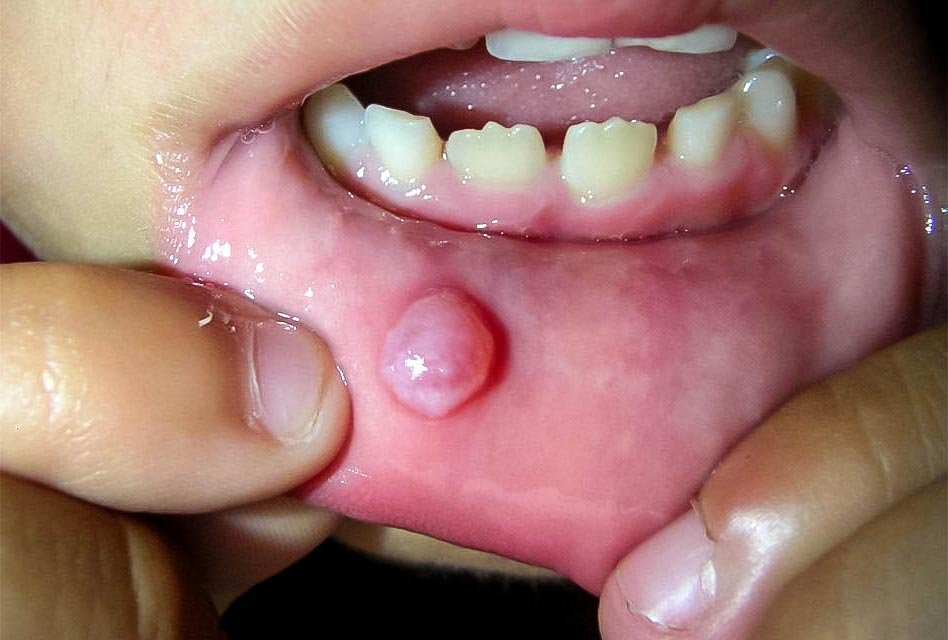
A mucous cyst, also known as a mucocele, is a fluid-filled swelling that occurs on the lip or the mouth. The cyst develops when the mouth’s salivary glands become plugged with mucus. Most cysts are on the lower lip, but they can occur anywhere inside your mouth. They’re usually temporary and painless. However, cysts can become permanent if they’re not treated. Mucous cysts are most commonly caused by trauma to the oral cavity, such as: lip biting (most common cause), cheek biting, piercings, accidental rupture of a salivary gland and adjacent teeth causing chronic damage.
The most common mode of removal is surgical mucocele excision. This involves the removal of the cyst, the mucosa around it, and the glandular tissue until the muscular layer is reached.
Ranula
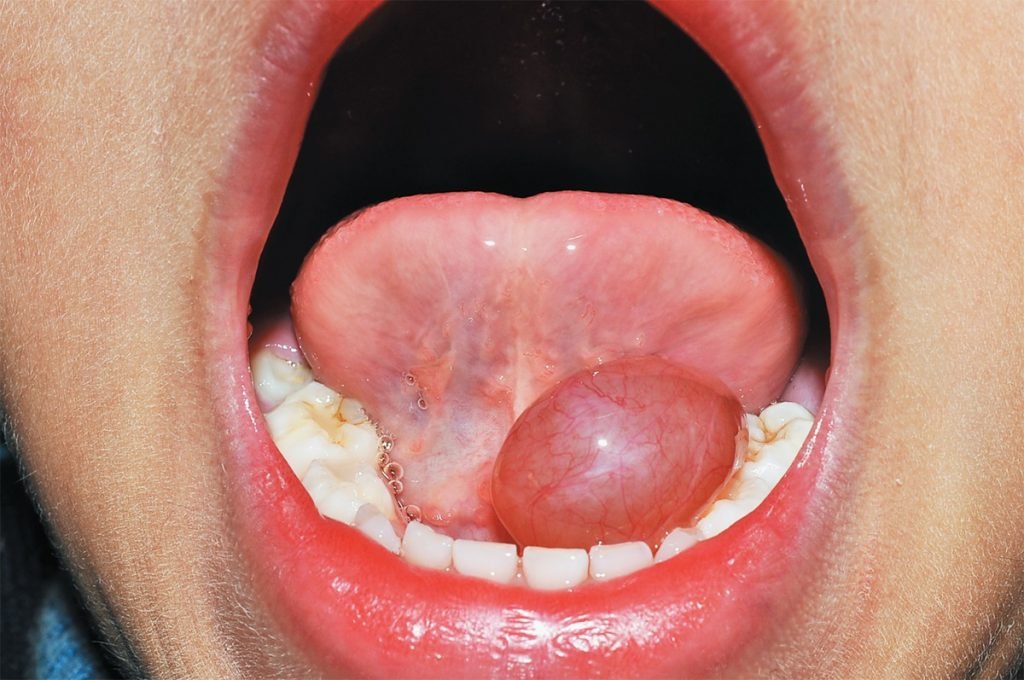
A ranula is a fluid collection or cyst that forms in the mouth under the tongue. It is filled with saliva (spit) that has leaked out of a damaged salivary gland. Salivary glands are small structures around the mouth which make saliva.
Saliva should drain from these glands directly into the mouth. If one of these glands is damaged then the saliva leaks out into the tissues next to the gland forming a cyst or bubble near the gland. This cyst is called a ranula.
Small, simple ranulas that don’t cause problems may not require treatment. Some cysts may disappear on their own. Treatment is necessary, however, for enlarged simple ranulas, especially when swelling interferes with swallowing or speaking, and for most plunging ranulas.
Treatment includes Needle aspiration, Incision and draining, Marsupialization and Surgical removal of ranula depending on severity and size of the ranula.
Impacted tooth extraction/Wisdom tooth extraction
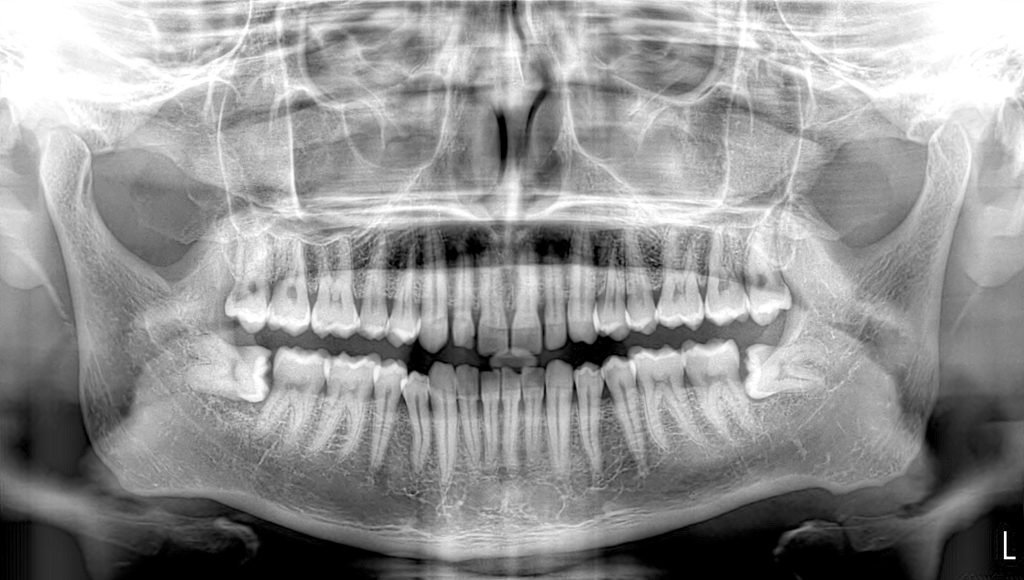
Wisdom teeth are the third and final set of molars that most people get in their late teens or early twenties.
Sometimes these teeth can be a valuable asset to the mouth when healthy and properly aligned, but more often, they are misaligned and require removal.
When wisdom teeth are misaligned, they may position themselves horizontally, be angled toward or away from the second molars, or be angled inward or outward. Poor alignment of wisdom teeth can crowd or damage adjacent teeth, the jawbone, or nerves. Wisdom teeth also can be impacted – they are enclosed within the soft tissue and/or the jawbone or only partially break through or erupt through the gum. Partial eruption of the wisdom teeth allows an opening for bacteria to enter around the tooth and cause an infection, which results in pain, swelling, jaw stiffness, and general illness. Partially erupted teeth are also more prone to tooth decay and gum disease, because their hard-to-reach location and incorrect positioning makes brushing and flossing difficult.
Treatment includes surgical removal of wisdom tooth under local anaesthesia or sometimes general anaesthesia.
Labial Frenectomy and Lingual Frenectomy (Tongue tie release)
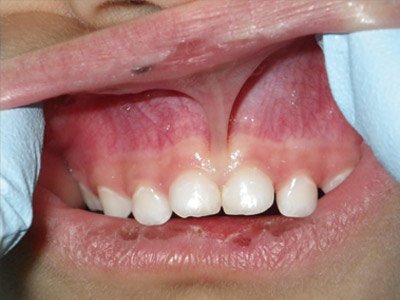
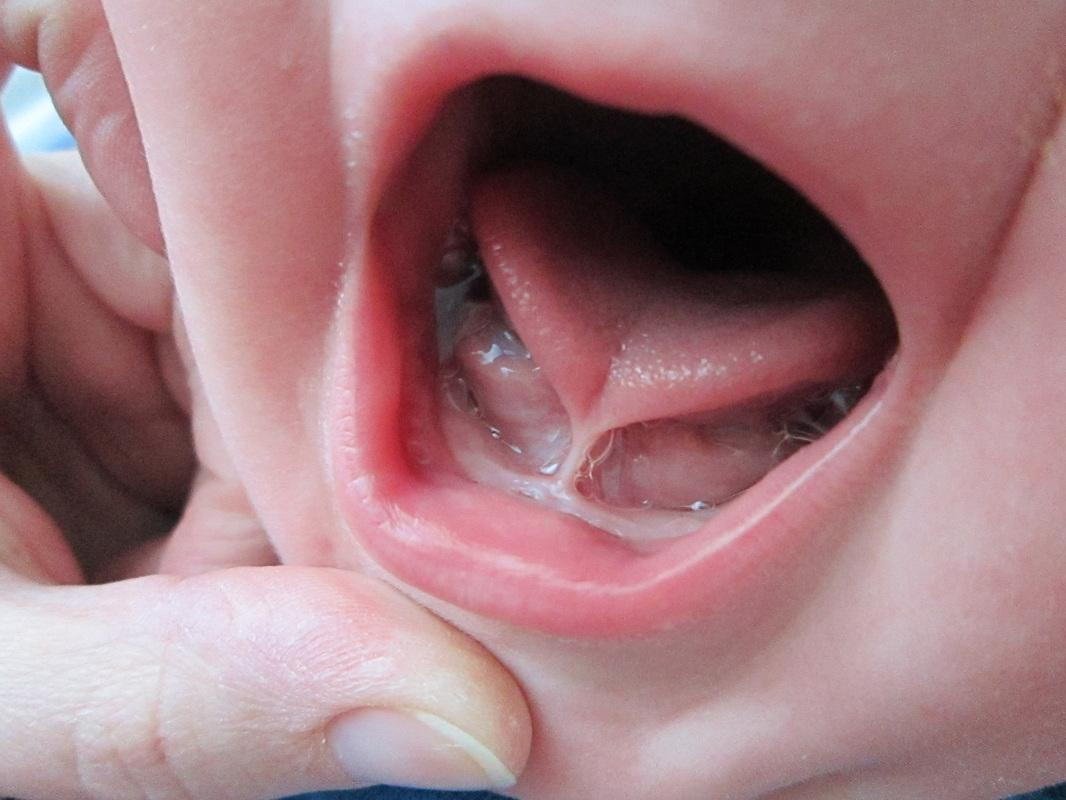
A frenectomy is an oral surgery procedure that treats lip-tie or tongue-tie. During the procedure, an oral surgeon releases or modifies a frenum, a band of connective tissue that joins two areas. In mouth, frenum joins lips to gums or tongue to the floor of the mouth. Most of the time, frenectomies are performed on babies who are having feeding issues or if there are speech concerns.
But sometimes, frenectomies are necessary for adults too. A frenectomy frees the band of connective tissue, reducing the risk of gaps, gum recession and other oral health problems
Cysts of Oral Cavity
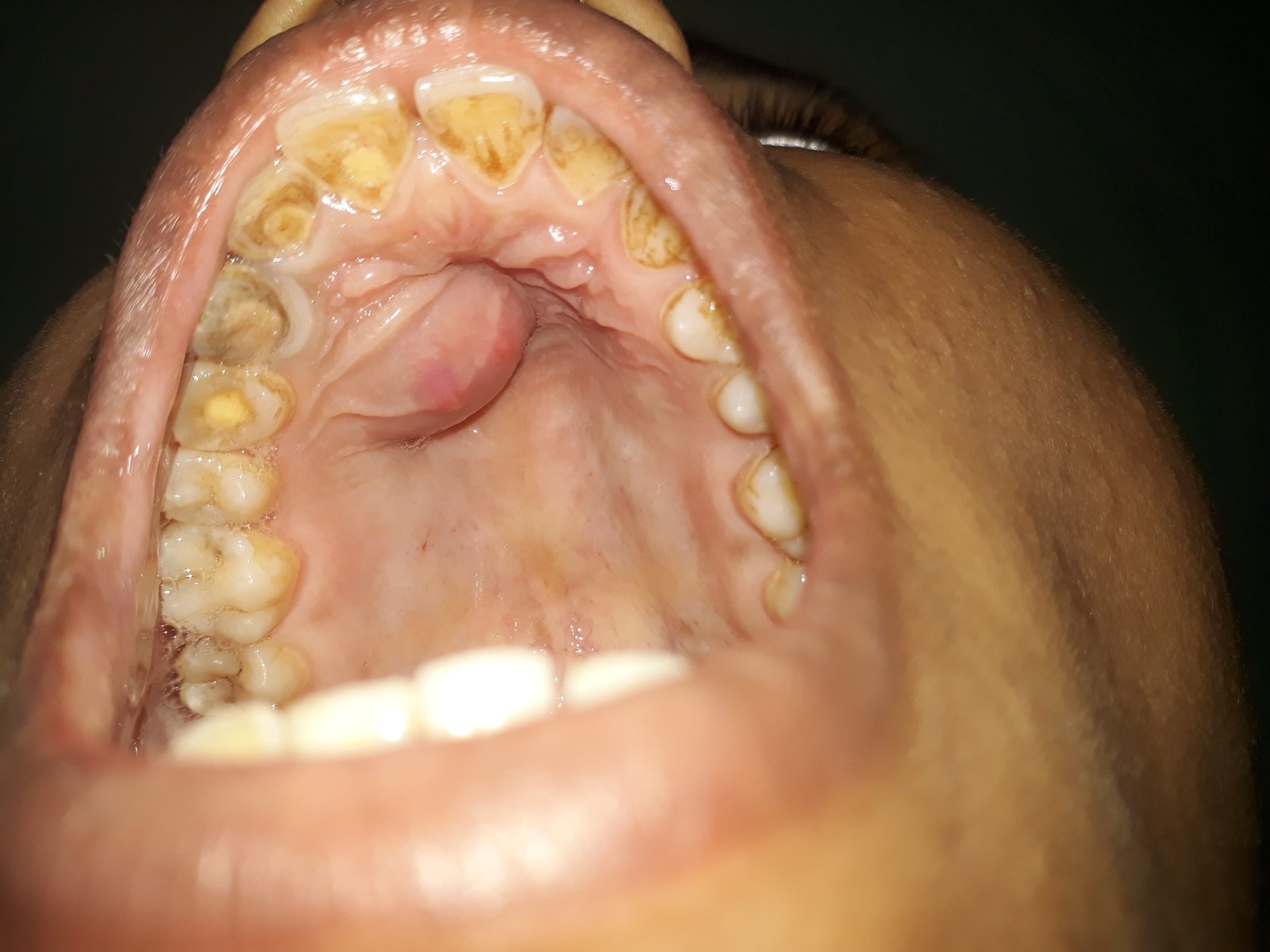
A cyst is an abnormal collection of fluid surrounded by a sac of tissue. Most cysts grow from cells that were originally involved in the development of your teeth. These cells should normally be dormant, but if stimulated can grow to form a cyst.
As fluid collects within the cyst, it slowly expands and weaken or destroy the surrounding jaw bone. Treatment options for jaw cysts and tumors vary. Enucleation of cyst, Marsupialization and Resection are the different types of surgical treatment depending on the size of cysts.
Mucocele
A mucous cyst, also known as a mucocele, is a fluid-filled swelling that occurs on the lip or the mouth. The cyst develops when the mouth’s salivary glands become plugged with mucus. Most cysts are on the lower lip, but they can occur anywhere inside your mouth. They’re usually temporary and painless. However, cysts can become permanent if they’re not treated. Mucous cysts are most commonly caused by trauma to the oral cavity, such as: lip biting (most common cause), cheek biting, piercings, accidental rupture of a salivary gland and adjacent teeth causing chronic damage.
The most common mode of removal is surgical mucocele excision. This involves the removal of the cyst, the mucosa around it, and the glandular tissue until the muscular layer is reached.
Ranula
A ranula is a fluid collection or cyst that forms in the mouth under the tongue. It is filled with saliva (spit) that has leaked out of a damaged salivary gland. Salivary glands are small structures around the mouth which make saliva.
Saliva should drain from these glands directly into the mouth. If one of these glands is damaged then the saliva leaks out into the tissues next to the gland forming a cyst or bubble near the gland. This cyst is called a ranula.
Small, simple ranulas that don’t cause problems may not require treatment. Some cysts may disappear on their own. Treatment is necessary, however, for enlarged simple ranulas, especially when swelling interferes with swallowing or speaking, and for most plunging ranulas.
Treatment includes Needle aspiration, Incision and draining, Marsupialization and Surgical removal of ranula depending on severity and size of the ranula.
Impacted tooth extraction/Wisdom tooth extraction
Wisdom teeth are the third and final set of molars that most people get in their late teens or early twenties.
Sometimes these teeth can be a valuable asset to the mouth when healthy and properly aligned, but more often, they are misaligned and require removal.
When wisdom teeth are misaligned, they may position themselves horizontally, be angled toward or away from the second molars, or be angled inward or outward. Poor alignment of wisdom teeth can crowd or damage adjacent teeth, the jawbone, or nerves. Wisdom teeth also can be impacted – they are enclosed within the soft tissue and/or the jawbone or only partially break through or erupt through the gum. Partial eruption of the wisdom teeth allows an opening for bacteria to enter around the tooth and cause an infection, which results in pain, swelling, jaw stiffness, and general illness. Partially erupted teeth are also more prone to tooth decay and gum disease, because their hard-to-reach location and incorrect positioning makes brushing and flossing difficult.
Treatment includes surgical removal of wisdom tooth under local anaesthesia or sometimes general anaesthesia.
Labial Frenectomy and Lingual Frenectomy (Tongue tie release)
A frenectomy is an oral surgery procedure that treats lip-tie or tongue-tie. During the procedure, an oral surgeon releases or modifies a frenum, a band of connective tissue that joins two areas. In mouth, frenum joins lips to gums or tongue to the floor of the mouth. Most of the time, frenectomies are performed on babies who are having feeding issues or if there are speech concerns.
But sometimes, frenectomies are necessary for adults too. A frenectomy frees the band of connective tissue, reducing the risk of gaps, gum recession and other oral health problems
Cysts of Oral Cavity
A cyst is an abnormal collection of fluid surrounded by a sac of tissue. Most cysts grow from cells that were originally involved in the development of your teeth. These cells should normally be dormant, but if stimulated can grow to form a cyst.
As fluid collects within the cyst, it slowly expands and weaken or destroy the surrounding jaw bone. Treatment options for jaw cysts and tumors vary. Enucleation of cyst, Marsupialization and Resection are the different types of surgical treatment depending on the size of cysts.
Dental Implant
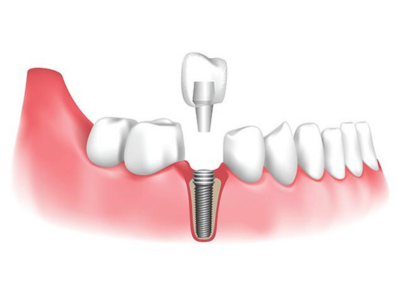
Dental implant surgery is a procedure that replaces tooth roots with metal, screw like posts and replaces damaged or missing teeth with artificial teeth that look and function much like real ones.
Dental implant surgery can offer a welcome alternative to dentures or bridgework that doesn & fit well and can offer an option when a lack of natural teeth roots doesn’t allow building denture or bridgework tooth replacements.
Dental Implant
Dental implant surgery is a procedure that replaces tooth roots with metal, screw like posts and replaces damaged or missing teeth with artificial teeth that look and function much like real ones.
Dental implant surgery can offer a welcome alternative to dentures or bridgework that doesn & fit well and can offer an option when a lack of natural teeth roots doesn’t allow building denture or bridgework tooth replacements.
In most cases, anyone healthy enough to undergo a routine dental extraction or oral surgery can be considered for a dental implant. Patients should have healthy gums and enough bone to hold the implant. They also must be committed to good oral hygiene and regular dental visits. Heavy smokers, people suffering from uncontrolled chronic disorders — such as diabetes or heart disease — or patients who have had radiation therapy to the head/neck area need to be evaluated on an individual basis.
Book an Appointment

Contact Info.
-
Pearl 32 Dental Clinic
Complete Maxillofacial and Dental Care - drsarwpriyasharma@gmail.com
- +91 9926400077